
1.Why Choose EVA Foam for Marine Floors?
EVA foam (ethylene-vinyl acetate) is a top choice for marine flooring due to its closed-cell structure, which traps air and prevents water absorption. Boats and docks face constant moisture, and materials like wood rot quickly. EVA stays dry, resists mold, and won’t degrade under UV light. After 3 years of testing on a Florida fishing boat, the EVA flooring still looks new, while older rubber mats have cracked.
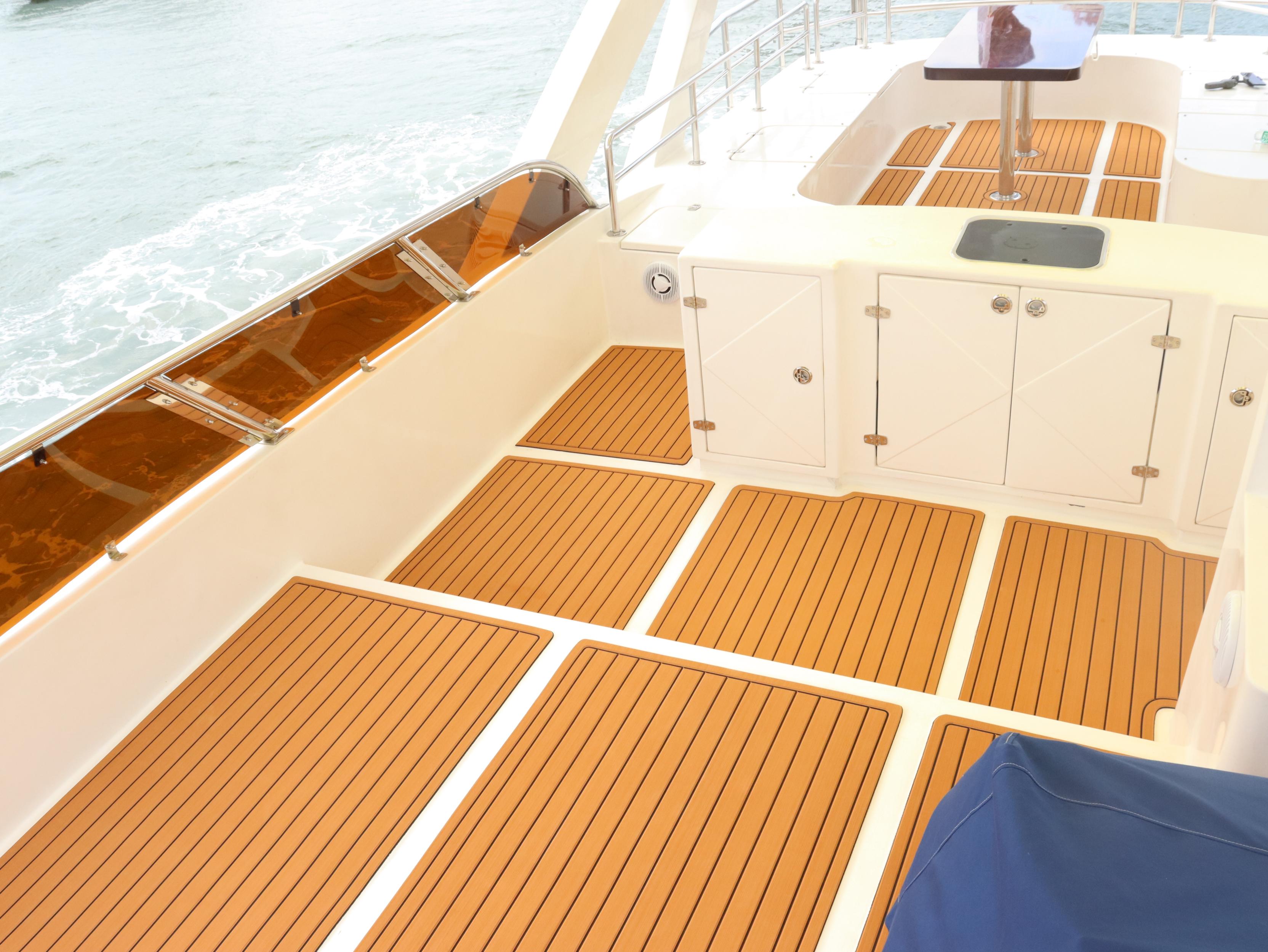
Key Benefits of EVA:
- Waterproof: Prevents moisture penetration, resists mildew, and prevents softening.
- Non-Slip: Textured surface grips even when wet.
- Convenient: Easy to cut and install without heavy tools.
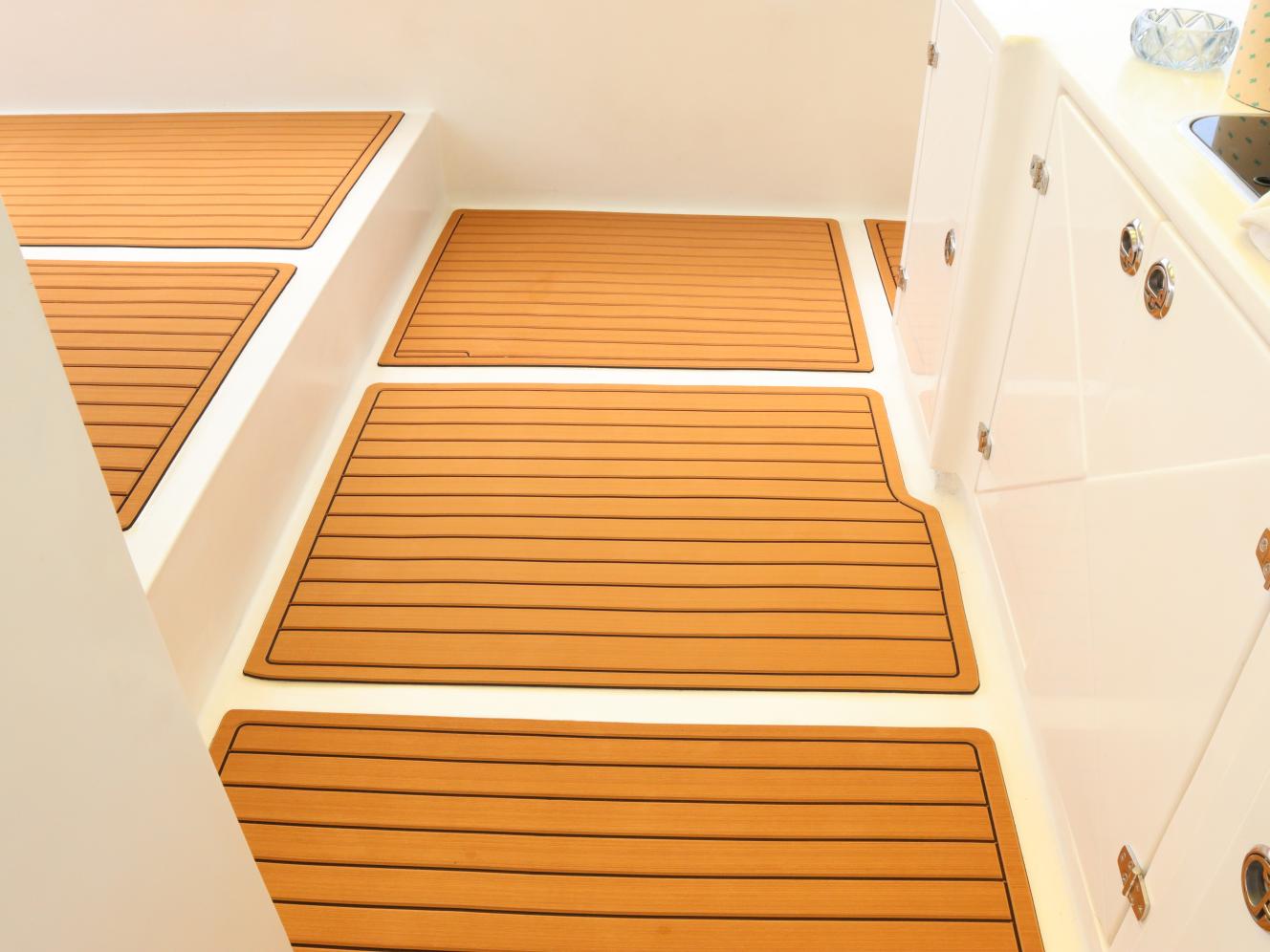
2.Common Mistakes DIYers Make:
Skipping Surface Prep: Sand and clean before gluing to ensure adhesion.
Not Leaving Expansion Gaps: EVA expands in heat—cutting too tightly may cause buckling.
Improper Adhesive Use: Avoid touching the 3M backing adhesive too much.
3.Step-by-Step Installation:
- Clean the surface with acetone.
- Apply adhesive and wait 10 minutes for tackiness.
- Lay EVA flooring from the center and press to secure.
- Trim edges with a sharp knife.
4.Maintenance Tips:
- Weekly: Clean with mild soap.
- Monthly: Inspect seams for debris.
- Annually: Apply UV protectant spray.
5.Cost Comparison:
| EVA Foam: | $4–$8 per sq. ft. | lifespan 5–8 years. |
| Rubber: | $6–$10 per sq. ft. | lifespan 3–5 years. |
| Teak: | $15–$30 per sq. ft. | lifespan 10+ years. |
FAQs:
1. Can EVA handle saltwater? Yes, rinse weekly.
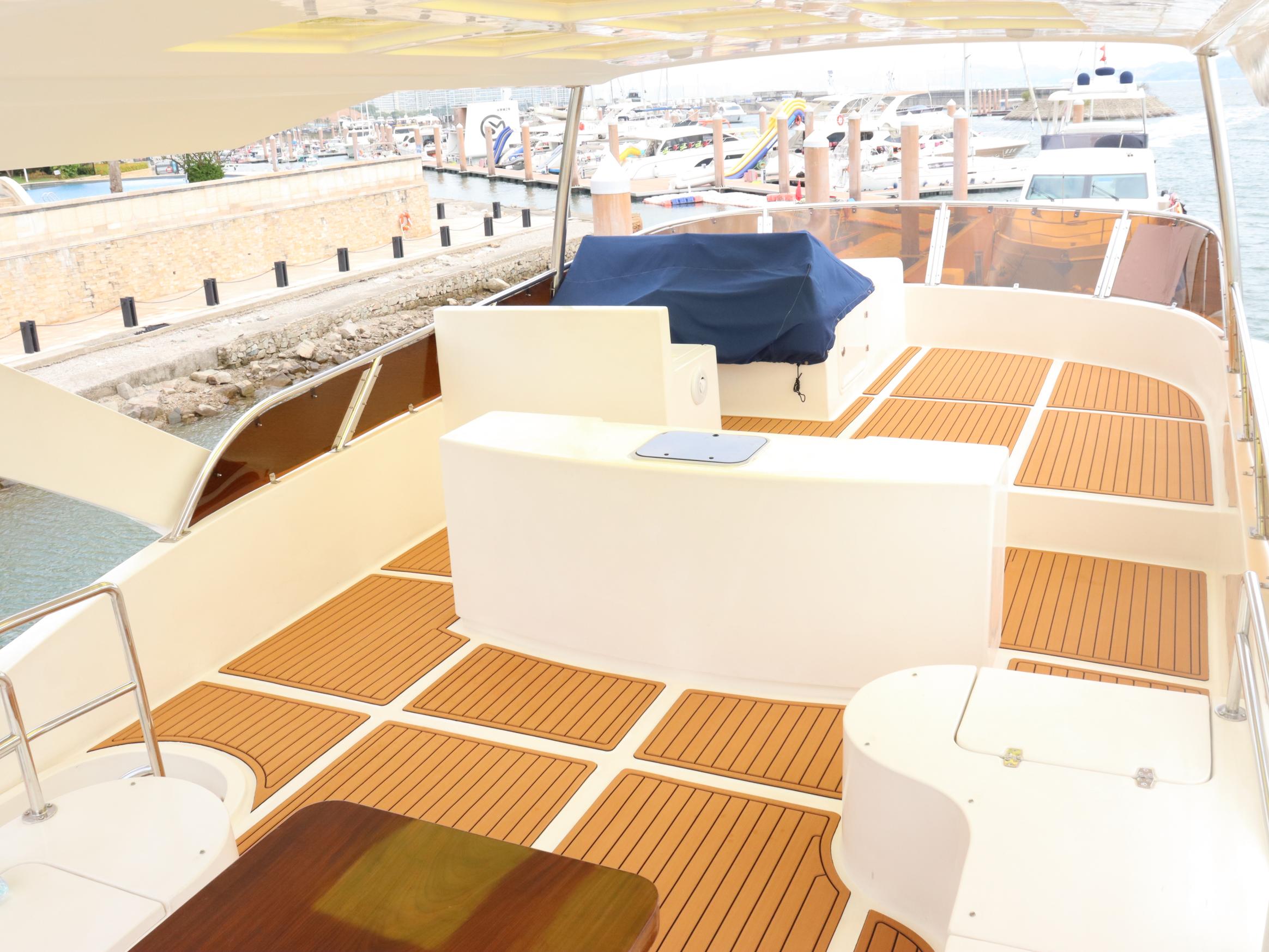
2.How long does installation take? 4–6 hours for a 10x12 ft area.
3. Can EVA be installed over existing flooring? Yes, if the base is solid and clean.